The Future of HR: AI and Automation in Human Resource Management An Insight from Charles Spinelli
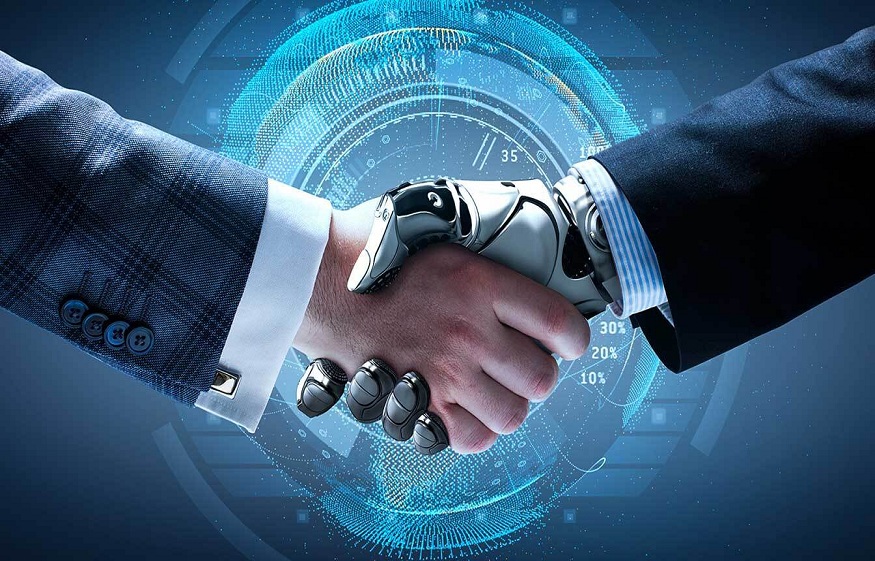
The advent of Artificial Intelligence (AI) and automation is transforming the working patterns of Human Resources in an unprecedented way. As of now, almost 50 to 60% of organizations globally have integrated AI alongside automation, which has reshaped how manpower is managed, in the opinion of Charles Spinelli.
The technology has dramatic power to attract, manage, and retain talent within organizations, allowing them to stay at a competitive edge. AI technology is used in combination with human judgment in almost every area associated with HR practices, including recruitment and talent acquisition, performance management, and decision-making.
Therefore, the future of HR performance lies in how organizations can capitalize on AI and automation to improve efficiency, decision-making, and employee experiences.
AI in Recruitment and Talent Acquisition
Traditionally, recruitment has been time-consuming, resource-intensive, and bothersome. The integration of AI-powered tools has now streamlined the hiring process by automating screening, categorizing suitable candidates, and forecasting job fitness based on the candidates’ skills and experience. Power-backed AI algorithms have the potential to scrutinize loads of applicants in minutes, while reducing time-to-hire significantly.
Similarly, automation serves to enhance the collaboration of team members with departments. A range of software applications is working in concert to respond to inquiries instantly, schedule interviews, and provide updates on market trends for future hiring. Additionally, AI can support businesses in eliminating unconscious bias through seamless monitoring to ensure fairness in the hiring process and all employment-centric decisions.
With the effective utilization of AI in predictive analytics, HR managers can estimate hiring needs based on organizational growth patterns. This enables the management to plan proactively for workforce demands instead of reacting to talent shortages, in the opinion of Charles Spinelli.
Enhancing Employee Experience Through Automation
Apart from recruitment and talent retention, AI and automation are working together in day-to-day HR operations. Whether it is payroll processing, attendance tracking, or performance analysis, AI benefits all administrative jobs while increasing the productivity of HR and team management. This translates into improved business efficiency while freeing HR professionals from repetitive work and thus enabling them concentrate on strategic initiatives such as workforce planning, providing feedback to employees, and coordinating with management.
AI-powered tools also benefit in personalizing employee experience by providing policy-related updates, queries, and performance insights. Automation ensures employees receive timely support rather than waiting for manual intervention.
Read More: Behind the Glow: How Reliable Components Shape the LED Lighting Industry
Moreover, data analytics technologies and tools support the HR team in effectively tracking employee sentiment via flawless surveys and engagement platforms. Receiving feedback in real-time enables management to recognize emerging concerns, handle workplace issues in no time, and promote a more supportive, collaborative, and productive environment.
Data-Driven Performance and Learning Management
Data-driven performance management is increasingly becoming an industry trend. Leveraging the power of AI systems can efficiently evaluate productivity status, the ratio of goal achievement, and the deficient areas. This helps the HR team take proactive steps beforehand and bring improvement in the feedback pattern to hit the objective performance as the annual goal. Adopting continuous performance monitoring in real-time has been a boon for HR to boost productivity.
Professional and skill development among team members is also benefiting from AI integration. Automated applications can effectively suggest personalized training areas and programs, considering employee roles, specialization areas, and skill gaps to improve performance. This objective approach improves skill development while synchronizing individual growth with the organization. Incorporating AI and automation can benefit management in finding future team leaders more efficiently.
Conclusion
The future of HR has embraced n smart technology that drives efficiency, accuracy, and individualized talent management. AI and automation enable and empower HR, helping organizations remain agile, data-driven, and people-centric in the face of tomorrow’s challenges.